
VIVODERM SKIN CARE – A NATURAL SKIN CARE LINE

Featured Products

Posts Tagged ‘collagen’

Understanding How and Why Skin Ages

Written by Vivoderm Admin on . Posted in Diet & Health, Recent Articles, Skincare, Skincare Research, Uncategorized

Aging is a natural part of life — and your skin reflects that journey over time. But skin aging is far more than just the appearance of wrinkles. Deep within the skin, important structural changes begin occurring years before visible signs appear on the surface.

Understanding how skin ages can help you make informed choices about protecting, supporting, and maintaining healthy-looking skin at every stage of life.
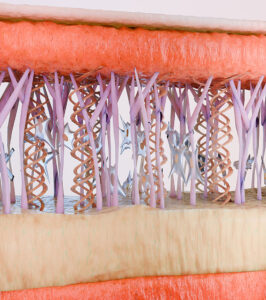
The Structure of Young, Healthy Skin

Young skin is naturally rich in three essential components:

  • Collagen — provides firmness and structural support
  • Elastin — gives skin its ability to stretch and bounce back
  • Hyaluronic Acid — helps the skin retain moisture and maintain volume

Together, these elements keep skin smooth, plump, resilient, and hydrated.

However, beginning as early as our mid-20s, these natural support systems gradually begin to decline.

Why Skin “Collapses” With Age

As we age, the structure of the skin doesn’t just change on the surface — it shifts deep within its layers.

Collagen production steadily slows over time. By our 30s, adults lose approximately 1% of collagen each year. As collagen declines, skin becomes thinner, less dense, and less structurally supported.

At the same time:

  • Elastin fibers weaken, reducing skin’s ability to snap back into place
  • Hyaluronic acid levels decrease, leading to dryness and visible volume loss
  • Skin cell turnover slows, causing dullness and reduced resilience
  • The skin barrier becomes weaker and more prone to irritation and dehydration

By the 40s and 50s, these combined changes often lead to what many describe as “collapsing” skin layers — where firmness, lift, elasticity, and smoothness visibly diminish.

Common visible signs include:

  • Fine lines and wrinkles
  • Sagging or crepey skin
  • Thinner, drier-looking skin
  • Loss of elasticity and firmness
  • Increased sensitivity and inflammation

While these changes are natural, understanding the science behind them allows us to better support the skin as it evolves.

The Science Behind Skin Aging

Skin aging occurs through two primary processes: intrinsic aging and extrinsic aging.

Intrinsic Aging: The Natural Aging Process

Intrinsic aging, also called chronological aging, is the natural aging process driven by genetics and the gradual slowing of cellular function.

Over time:

  • Skin produces less collagen and elastin
  • Cell renewal slows
  • Natural oil production decreases
  • The skin barrier becomes thinner and more fragile

This contributes to fine wrinkles, dryness, and gradual loss of firmness.

End-of-Summer Skin Recovery Tips

Extrinsic Aging: Environmental Damage

Extrinsic aging is caused by outside factors such as:

  • UV exposure
  • Pollution
  • Smoking
  • Poor nutrition
  • Chronic stress
  • Alcohol consumption
  • Sleep deprivation

These external stressors generate unstable molecules called free radicals or reactive oxygen species (ROS), which damage skin cells, collagen fibers, and DNA.

Among all external aging factors, sun exposure remains the leading cause of premature skin aging.

Key Biological Processes That Accelerate Skin Aging

Collagen and Elastin Breakdown

Aging skin not only produces less collagen — it also breaks collagen down more rapidly through enzymes called matrix metalloproteinases (MMPs).

This weakens the skin’s structural framework and contributes to:

  • Wrinkles
  • Sagging
  • Reduced firmness
  • Loss of facial volume

Oxidative Stress and Inflammation

Free radicals accumulate over time due to UV exposure, pollution, stress, and lifestyle factors. This creates oxidative stress, which damages proteins, lipids, and skin cells.

As the skin barrier weakens with age, chronic low-grade inflammation — sometimes called “inflamm-aging” — can further accelerate visible aging.

Glycation and Sugar Damage

Excess sugar intake contributes to a process called glycation, where sugar molecules attach to collagen and elastin fibers.

This creates harmful compounds called advanced glycation end products (AGEs), which make collagen stiff, fragile, and more prone to breakdown.

The result can include:

  • Wrinkles
  • Skin laxity
  • Loss of elasticity
  • Dullness

Hormonal Changes

Hormonal changes, particularly after menopause, can significantly accelerate skin aging.

Lower estrogen levels reduce collagen production and skin hydration, often leading to:

  • Increased dryness
  • Thinner skin
  • Deeper wrinkles
  • Reduced elasticity
  • Greater skin fragility

How to Support Aging Skin

While no skincare product can stop aging or completely replace lost collagen, the right skincare routine can help support skin health, hydration, and resilience over time.

1. Daily Sun Protection

Daily sunscreen use is one of the most effective ways to help prevent premature collagen breakdown.

The Vivoderm Zinc Cream SPF 30 helps provide gentle mineral sun protection while supporting sensitive, aging skin against environmental stressors and UV exposure.

2. Hydration and Barrier Support

As skin matures, maintaining hydration becomes increasingly important.

The Vivoderm Intense Moisturizer helps deeply hydrate and support the skin barrier, improving the appearance of softness, smoothness, and fullness — especially in areas prone to early aging such as the neck and décolleté.

3. Nourishing the Delicate Eye AreaVivoderm Anti Wrinkle Eye Cream Hydration sitting in a pool of cool water
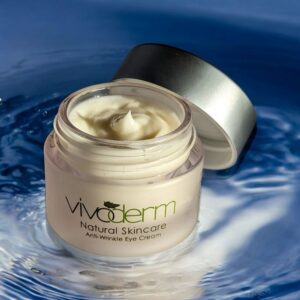
The skin around the eyes is thinner and often one of the first places to show visible signs of collagen loss.

The Vivoderm Anti-Wrinkle Eye Cream helps nourish and hydrate the delicate eye area while helping reduce the appearance of fine lines and dryness.

4. Antioxidant Protection

Antioxidants help neutralize free radicals and reduce oxidative stress that contributes to premature aging.


Ingredients such as:

  • Vitamin C
  • Vitamin E
  • Niacinamide
  • Vitamin A derivatives (retinoids) can help brighten skin, improve texture, and support overall skin health.

5. Lifestyle Habits That Protect Skin Longevity

Healthy lifestyle choices play a major role in how skin ages over time.

Helpful habits include:

  • Eating a nutrient-rich diet with antioxidants and omega-3 fatty acids
  • Limiting excess sugar intake
  • Getting consistent, quality sleep
  • Avoiding smoking
  • Limiting alcohol consumption
  • Managing stress levels

These habits help support collagen production, reduce inflammation, and strengthen the skin’s natural repair processes.

Aging Skin Is Still Healthy Skin

Skin aging is natural, inevitable, and deeply human. The goal of skincare should not be to “fight” aging, but to support the skin through every stage of life with hydration, protection, nourishment, and consistency.

Healthy-looking skin isn’t about perfection — it’s about resilience, comfort, and care.

With science-backed skincare, daily sun protection, and supportive lifestyle habits, you can help your skin remain strong, radiant, and healthy-looking for years to come.


References

Shin SH, Lee YH, Rho NK, Park KY. Skin aging from mechanisms to interventions: focusing on dermal aging. Front Physiol. 2023.

Agrawal R, Hu A, Bollag WB. The Skin and Inflamm-Aging. Biology (Basel). 2023.

Zheng W, Li H, Go Y, Chan XHF, Huang Q, Wu J. Research Advances on the Damage Mechanism of Skin Glycation and Related Inhibitors. Nutrients. 2022.

Lephart ED, Naftolin F. Factors Influencing Skin Aging and the Important Role of Estrogens and Selective Estrogen Receptor Modulators (SERMs). Clin Cosmet Investig Dermatol. 2022.

Cao C, Xiao Z, Wu Y, Ge C. Diet and Skin Aging—From the Perspective of Food Nutrition. Nutrients. 2020.

Xerfan EMS, Andersen ML, Facina AS, Tufik S, Tomimori J. Sleep loss and the skin. Dermatol Ther. 2022.

Yazdanparast T, Hassanzadeh H, Nasrollahi SA, et al. Cigarettes Smoking and Skin. Tanaffos. 2019.

Goodman GD, Kaufman J, Day D, et al. Impact of Smoking and Alcohol Use on Facial Aging in Women. J Clin Aesthet Dermatol. 2019.

The Benefits of Peptides in Skincare Products

Written by Rachelle at Vivoderm on . Posted in Anti-Aging, Fundamentals, Ingredients, Natural Skincare, Products, Recent Articles, Uncategorized

What ARE Peptides?

Peptides are short chain amino acids, which are the building blocks of proteins. In skincare, peptides are used to promote skin health and improve skin appearance. Natural peptides in skincare are derived from various sources, including plants, marine organisms, and natural fermentation processes. These peptides are bioactive molecules that help improve skin elasticity, repair, and hydration.Peptides-and-Collagen-in-Skincare

When looking for skincare products with natural peptides, check the ingredient list for terms like “hydrolyzed protein,” “peptide extract,” or the specific plant, marine, or dairy source used. Vivoderm’s herbal-based formulations, like our Herbal Facial Masks – include such natural wheat, fish and milk peptides as well as enzymes, to promote skin health while maintaining an all-natural approach.

We also include natural fish oils as peptides in our Intense Moisturizer and Eye Cream!

Benefits of Peptides in Skincare: 

Stimulate Collagen Production:

Peptides can signal the skin to produce more collagen, which is a protein that provides structure and elasticity. This can help reduce wrinkles, fine lines, and improve skin firmness.

Enhance Skin Elasticity:

Peptides can support the production of elastin, another protein that contributes to skin elasticity. This can help prevent sagging and improve skin tone.

Protect Skin from Damage:

Some peptides have antioxidant properties that can protect the skin from environmental stressors, such as UV radiation and pollution.

Promote Wound Healing:

Peptides can stimulate the skin’s natural healing process, which can help reduce inflammation and scarring.

Improve Skin Hydration:

Certain peptides can attract and retain moisture, leaving the skin feeling soft and supple.

Types of Peptides Used in Skincare:

Signal Peptides: These peptides send signals to the skin to produce specific proteins, such as collagen and elastin.

Carrier Peptides: These peptides carry nutrients and other beneficial ingredients into the deeper layers of the skin.

Enzyme Inhibitor Peptides: These peptides prevent the breakdown of collagen and elastin.

Here are some common sources of natural peptides: 

Plant-Based Peptides 

– Soy Peptides: Derived from soy proteins, they help promote collagen production and improve skin elasticity.

– Rice Peptides: Extracted from rice proteins, they are known for soothing and hydrating the skin.

– Wheat Peptides: Found in hydrolyzed wheat protein, these peptides support skin barrier repair and hydration.

Marine-Derived Peptides 

– Algae and Seaweed Extracts: Rich in bioactive peptides, these ingredients help enhance skin hydration and firmness.

– Fish Collagen Peptides: Hydrolyzed from fish collagen, they support skin regeneration and elasticity.

Natural Fermentation 

– Probiotic Peptides: Generated from the fermentation of natural bacteria like *Lactobacillus*, these peptides can strengthen the skin barrier and reduce inflammation.

Bee Products 

– Royal Jelly Peptides: Found in royal jelly, these peptides offer antioxidant and anti-inflammatory benefits, helping rejuvenate the skin.

Milk and Dairy 

– Casein and Whey Peptides: Derived from milk proteins, they support skin hydration and elasticity.


When choosing skincare products with peptides, consider the specific types of peptides used and their potential benefits needed for your particular skin type.

Skincare Tips for Your Neck

Written by Rachelle at Vivoderm on . Posted in Anti-Aging, Recent Articles, Skin and Tips

Caring for the skin on your neck is just as important as caring for the skin on your face. The neck is often exposed to the same environmental factors as your face, and it’s also more prone to showing signs of aging. Here are some tips for a good neck skincare routine:

1. Cleansing: Use a gentle cleanser to clean your neck, just as you would for your face. Avoid using harsh soaps or cleansers that could strip the skin of its natural oils.

2. Exfoliation: Exfoliate your neck 1-2 times a week to remove dead skin cells and promote cell turnover. Be gentle, as the skin on the neck is thinner than that on the face. Use a mild exfoliant to avoid irritation.

3. Moisturizing: Apply a hydrating moisturizer to your neck daily. Look for ingredients like hyaluronic acid, glycerin, and ceramides that help retain moisture and improve the skin barrier.

4. Sun Protection: The neck is often exposed to the sun, so it’s crucial to apply sunscreen to prevent sun damage and premature aging. Choose a broad-spectrum sunscreen with at least SPF 30 and reapply it every two hours if you’re spending time outdoors.

5. Anti-Aging Treatments: If you’re concerned about signs of aging on your neck, consider using products that contain ingredients like retinol, peptides, and antioxidants. These can help improve the texture and firmness of the skin.

6. Serums: Incorporate a neck-specific serum into your routine. Look for serums that target specific concerns like sagging skin or fine lines.

7. Massage: Gently massaging your neck can improve circulation and help with product absorption. Use upward motions to prevent tugging on the delicate skin.

8. Collagen-Boosting Ingredients: Look for products that contain collagen-boosting ingredients like vitamin C, which can help improve the skin’s elasticity and firmness.

9. Avoid Harsh Products: Be cautious with products that might be too harsh for the sensitive skin on your neck. Avoid using strong acids or treatments that could lead to irritation.

10. Hydration and Diet: Remember that skincare isn’t just about what you put on your skin. Staying hydrated and maintaining a balanced diet rich in antioxidants, vitamins, and healthy fats can contribute to the overall health of your skin.

11. Posture: Believe it or not, your posture can affect the appearance of your neck. Keeping your neck elongated and your chin slightly lifted can help prevent the development of “tech neck” or sagging skin.

12. Regular Care: Consistency is key. Just like with facial skincare, regular care is important to see visible improvements in the condition of your neck’s skin.

Remember, everyone’s skin is different, so it’s important to pay attention to how your neck reacts to different products and adjust your routine as needed. If you have specific concerns or conditions, consider consulting a dermatologist for personalized advice.

Treating Skin With Avocado Oil

Written by Author on . Posted in Anti-Aging, Herbal Treatments, Natural Skincare, Recent Articles

As the end of summer officially draws to a close, many of us will be putting away those warm weather sandals and tank tops and replacing them with cool weather gear that covers and protects our skin. But no mater what part of the country you live in – warm or cold, there are still plenty of reasons to keep using your moisturizers to help your skin stay hydrated and soft.

Vivoderm Natural Skincare prides itself on using the bVivoderm Body Butter with Avocado Oilest natural ingredients it can source in all of it’s skincare products. One of those key moisturizing ingredients is Avocado oil. We use it in our Body Butter and Foot Cream as well as our Anti Wrinkle Treatment.

Avocado oil is an exclusive oil that has the capacity to enter the upper skin layers. It is valuable for its effects on wrinkled and dry skin and it is also a great oil for diaper rash. It contains high amounts of mono-saturated fatty acids and vitamins as wells as anti-oxidants and Omega 3’s. Avocado oil is extracted from the flesh of the fruit by the cold extraction method. Hence, the oil retains all the aroma and flavor, nutritional value, making it absolutely ideal for skin healing and hydration.

There are many skin care benefits that you can receive by including avocado oil in your daily regimen. If you have blemished or sun damaged skin, thanks to it’s high vitamin content avocado oil can help you to reduce and reverse blemishes. Vitamins A,E,D, B1, B2 and K are beneficial for all over skin and body health. Avocado oil contains high doses of Omega-3s, which are highly effective in protecting the skin from UV rays, therefore decreasing the chance of being sunburned, preventing the appearance of age spots and reducing the risk of skin cancer.

Scientific studies have recently shown how important collagen is for Vivoderm Avocado Skincarekeeping your skin firm and youthful. Collagen is the main structural protein in various connective tissues in our bodies and skin. As we age, the collagen tissues flatten and stretch – causing wrinkles and sagging skin.

Avocado oil has been shown to help increase collagen production naturally. It aids in hydrating and plumping up skin cells and forms a natural cushion to reduce fine lines and wrinkles and other signs of aging.  It can be used, as a very effective and natural skin moisturizer. Avocado oil penetrates to the deep layers of the skin and stimulates collagen production therefore, improving the softness and elasticity of the skin and reducing it’s dryness. Avocado oil can be also beneficial for people with such skin conditions as psoriasis and eczema, relieving the itchiness of the skin.

So, if you want your skin to have more firmness and a smooth appearance, you will get excellent results with products that contain Avocado oil. Using avocado oil separately can be beneficial but when it is combined in a lotion or cream then its effects can be enhanced greatly to help treat dry skin and signs of aging.

Vivoderm makes a highly effective foot cream and Chamomile body butter which is ideal for treating dry, cracked feet and scaly skin. The thick and rich texture leaves your feet and body smooth and soft. Our Anti Wrinkle treatment with natural avocado oil, will reduced wrinkles and your increase collagen production.

So, if you are looking for a great skin moisturizer to help transition your feet, body and face from summer to fall and into winter – give Vivoderm a try!

Grape Seed Extract Good For Aging Skin Care

Written by Author on . Posted in Natural Skincare

To get clear and glowing skin today, women are opting more and more for natural skin care products over chemicals. A primary ingredient of most natural beauty products is grape seed extract. Historically, grape seed extracts or oils were used a by-product from wine making procedures – but now it is primarily used for skin cosmetics. Grape seed extracts are derived from whole grapes or seeds and have a great number of flavinoids, Vitamin E and especially great for anti-aging skin treatments – grape seed extract is highly beneficial due to high concentrations of anti-oxidants.

Grape Seed Toner for anti aging
Grape Seed Toner Reduces Skin Aging

One of the main anti aging skin care benefits that you can get from grape seed is the boost in collagen development of your body. Collagen is a protein found in the connective tissues. When the collagen binds with keratin, collagen becomes responsive for promoting elastic and strong skin. Collagen aids in keeping your skin supple, moisturized and firm. With age, body loses the ability of producing collagen. This leads to common aging symptoms such as dryness, lines, and wrinkles.

By choosing  anti aging skin care that uses natural ingredients like grape seed extract that will help to maintain the structure and strength of the collagen in your skin. Grape seed extract also consists of compounds known as procyanidins that bond with collagen and which results in healthier skin. So, if you are looking to have younger looking skin try using skin care products that contain products like grape seed.

One popular natural skin care product that contains grape seed extract is a facial toner from Vivoderm. It is infused with herbal astringents and minerals that are beneficial for the skin. The toner helps to balance and tone the skin, while the green tea extract helps in skin soothing and firming.