
VIVODERM SKIN CARE – A NATURAL SKIN CARE LINE

Featured Products

Posts Tagged ‘skin aging’

Understanding How and Why Skin Ages

Written by Vivoderm Admin on . Posted in Diet & Health, Recent Articles, Skincare, Skincare Research, Uncategorized

Aging is a natural part of life — and your skin reflects that journey over time. But skin aging is far more than just the appearance of wrinkles. Deep within the skin, important structural changes begin occurring years before visible signs appear on the surface.

Understanding how skin ages can help you make informed choices about protecting, supporting, and maintaining healthy-looking skin at every stage of life.
The Structure of Young, Healthy Skin

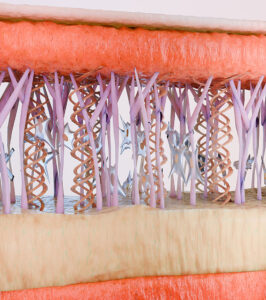
Young skin is naturally rich in three essential components:

  • Collagen — provides firmness and structural support
  • Elastin — gives skin its ability to stretch and bounce back
  • Hyaluronic Acid — helps the skin retain moisture and maintain volume

Together, these elements keep skin smooth, plump, resilient, and hydrated.

However, beginning as early as our mid-20s, these natural support systems gradually begin to decline.

Why Skin “Collapses” With Age

As we age, the structure of the skin doesn’t just change on the surface — it shifts deep within its layers.

Collagen production steadily slows over time. By our 30s, adults lose approximately 1% of collagen each year. As collagen declines, skin becomes thinner, less dense, and less structurally supported.

At the same time:
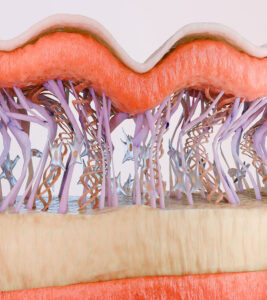
  • Elastin fibers weaken, reducing skin’s ability to snap back into place
  • Hyaluronic acid levels decrease, leading to dryness and visible volume loss
  • Skin cell turnover slows, causing dullness and reduced resilience
  • The skin barrier becomes weaker and more prone to irritation and dehydration

By the 40s and 50s, these combined changes often lead to what many describe as “collapsing” skin layers — where firmness, lift, elasticity, and smoothness visibly diminish.

Common visible signs include:

  • Fine lines and wrinkles
  • Sagging or crepey skin
  • Thinner, drier-looking skin
  • Loss of elasticity and firmness
  • Increased sensitivity and inflammation

While these changes are natural, understanding the science behind them allows us to better support the skin as it evolves.

The Science Behind Skin Aging

Skin aging occurs through two primary processes: intrinsic aging and extrinsic aging.

Intrinsic Aging: The Natural Aging Process

Intrinsic aging, also called chronological aging, is the natural aging process driven by genetics and the gradual slowing of cellular function.

Over time:

  • Skin produces less collagen and elastin
  • Cell renewal slows
  • Natural oil production decreases
  • The skin barrier becomes thinner and more fragile

This contributes to fine wrinkles, dryness, and gradual loss of firmness.

End-of-Summer Skin Recovery Tips

Extrinsic Aging: Environmental Damage

Extrinsic aging is caused by outside factors such as:

  • UV exposure
  • Pollution
  • Smoking
  • Poor nutrition
  • Chronic stress
  • Alcohol consumption
  • Sleep deprivation

These external stressors generate unstable molecules called free radicals or reactive oxygen species (ROS), which damage skin cells, collagen fibers, and DNA.

Among all external aging factors, sun exposure remains the leading cause of premature skin aging.

Key Biological Processes That Accelerate Skin Aging

Collagen and Elastin Breakdown

Aging skin not only produces less collagen — it also breaks collagen down more rapidly through enzymes called matrix metalloproteinases (MMPs).

This weakens the skin’s structural framework and contributes to:

  • Wrinkles
  • Sagging
  • Reduced firmness
  • Loss of facial volume

Oxidative Stress and Inflammation

Free radicals accumulate over time due to UV exposure, pollution, stress, and lifestyle factors. This creates oxidative stress, which damages proteins, lipids, and skin cells.

As the skin barrier weakens with age, chronic low-grade inflammation — sometimes called “inflamm-aging” — can further accelerate visible aging.

Glycation and Sugar Damage

Excess sugar intake contributes to a process called glycation, where sugar molecules attach to collagen and elastin fibers.

This creates harmful compounds called advanced glycation end products (AGEs), which make collagen stiff, fragile, and more prone to breakdown.

The result can include:

  • Wrinkles
  • Skin laxity
  • Loss of elasticity
  • Dullness

Hormonal Changes

Hormonal changes, particularly after menopause, can significantly accelerate skin aging.

Lower estrogen levels reduce collagen production and skin hydration, often leading to:

  • Increased dryness
  • Thinner skin
  • Deeper wrinkles
  • Reduced elasticity
  • Greater skin fragility

How to Support Aging Skin

While no skincare product can stop aging or completely replace lost collagen, the right skincare routine can help support skin health, hydration, and resilience over time.
1. Daily Sun Protection

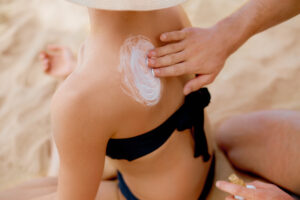
Daily sunscreen use is one of the most effective ways to help prevent premature collagen breakdown.

The Vivoderm Zinc Cream SPF 30 helps provide gentle mineral sun protection while supporting sensitive, aging skin against environmental stressors and UV exposure.

2. Hydration and Barrier Support

As skin matures, maintaining hydration becomes increasingly important.

The Vivoderm Intense Moisturizer helps deeply hydrate and support the skin barrier, improving the appearance of softness, smoothness, and fullness — especially in areas prone to early aging such as the neck and décolleté.

3. Nourishing the Delicate Eye AreaVivoderm Anti Wrinkle Eye Cream Hydration sitting in a pool of cool water
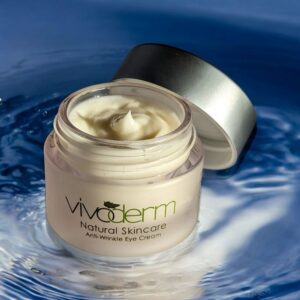
The skin around the eyes is thinner and often one of the first places to show visible signs of collagen loss.

The Vivoderm Anti-Wrinkle Eye Cream helps nourish and hydrate the delicate eye area while helping reduce the appearance of fine lines and dryness.

4. Antioxidant Protection

Antioxidants help neutralize free radicals and reduce oxidative stress that contributes to premature aging.


Ingredients such as:

  • Vitamin C
  • Vitamin E
  • Niacinamide
  • Vitamin A derivatives (retinoids) can help brighten skin, improve texture, and support overall skin health.

5. Lifestyle Habits That Protect Skin Longevity

Healthy lifestyle choices play a major role in how skin ages over time.

Helpful habits include:

  • Eating a nutrient-rich diet with antioxidants and omega-3 fatty acids
  • Limiting excess sugar intake
  • Getting consistent, quality sleep
  • Avoiding smoking
  • Limiting alcohol consumption
  • Managing stress levels

These habits help support collagen production, reduce inflammation, and strengthen the skin’s natural repair processes.

Aging Skin Is Still Healthy Skin

Skin aging is natural, inevitable, and deeply human. The goal of skincare should not be to “fight” aging, but to support the skin through every stage of life with hydration, protection, nourishment, and consistency.

Healthy-looking skin isn’t about perfection — it’s about resilience, comfort, and care.

With science-backed skincare, daily sun protection, and supportive lifestyle habits, you can help your skin remain strong, radiant, and healthy-looking for years to come.


References

Shin SH, Lee YH, Rho NK, Park KY. Skin aging from mechanisms to interventions: focusing on dermal aging. Front Physiol. 2023.

Agrawal R, Hu A, Bollag WB. The Skin and Inflamm-Aging. Biology (Basel). 2023.

Zheng W, Li H, Go Y, Chan XHF, Huang Q, Wu J. Research Advances on the Damage Mechanism of Skin Glycation and Related Inhibitors. Nutrients. 2022.

Lephart ED, Naftolin F. Factors Influencing Skin Aging and the Important Role of Estrogens and Selective Estrogen Receptor Modulators (SERMs). Clin Cosmet Investig Dermatol. 2022.

Cao C, Xiao Z, Wu Y, Ge C. Diet and Skin Aging—From the Perspective of Food Nutrition. Nutrients. 2020.

Xerfan EMS, Andersen ML, Facina AS, Tufik S, Tomimori J. Sleep loss and the skin. Dermatol Ther. 2022.

Yazdanparast T, Hassanzadeh H, Nasrollahi SA, et al. Cigarettes Smoking and Skin. Tanaffos. 2019.

Goodman GD, Kaufman J, Day D, et al. Impact of Smoking and Alcohol Use on Facial Aging in Women. J Clin Aesthet Dermatol. 2019.

Skin Cell Turnover and Exfoliating Your Skin Safely

Written by Rachelle at Vivoderm on . Posted in Fundamentals, Natural Skincare, Recent Articles, Skin and Tips, Uncategorized

Understanding Exfoliation

Your skin undergoes a natural turnover cycle every 30 days or so. When this happens, the upper layer of your skin (epidermis) sheds, revealing new skin from the middle layer of your skin (dermis).

However, the cell turnover cycle isn’t always so clear-cut. Sometimes, dead skin cells don’t fully shed, leading to flaky skin, dry patches, and clogged pores. You can help your body shed these cells through exfoliation.

Exfoliation is the process of removing dead skin cells from the outer layers of the skin with a substance or tool known as an exfoliator. Exfoliators come in many forms, from chemical treatments to brushes.

It can be also beneficial for removing dry or dull skin, increasing blood circulation, and brightening and improving your skin’s appearance.

There are different methods for exfoliation. Your skin type should determine which method you use and how often you exfoliate. For certain skin conditions, including rosacea, exfoliation isn’t usually recommended.

What to use to exfoliate

There are different methods and tools to exfoliate skin. Facial scrubs and brushes are forms of mechanical, or physical, exfoliation. Acids and skin peels are forms of chemical exfoliation.

Mechanical

  • Exfoliating brush. This is usually a bristle brush used on the face or body to remove layers of dead skin cells. Some are designed for dry brushing. Others can be used with your facial cleanser or body wash.
  • Exfoliation sponge. These are a gentler way to exfoliate skin. You can lather an exfoliating sponge with warm water, soap, or body wash in the shower.
  • Exfoliating glove. If you find brushes or sponges difficult to grip, you can use a glove. Lather it with soap or body wash in the shower. They can be effective for large areas such as legs or arms.
  • Exfoliating scrub. This can be applied directly to the skin using a gentle, circular motion. You can wash your skin with warm water after applying the scrub.


Chemical

Alpha-hydroxy acids (AHAs). Examples of AHAs include glycolic, lactic, tartaric, and citric acids. These work by breaking apart bonds holding dull and dead skin cells on your skin’s surface. This will cause your skin to naturally shed dead particles.

Beta-hydroxy acids (BHAs). Examples of BHAs include beta hydroxyl and salicylic acid. These may be better for acne-prone skin.


How to exfoliate your skin by skin type

When mechanically exfoliating, it’s important to be gentle on your skin. You can make small, circular motions using your finger to apply a scrub or use your exfoliating tool of choice.

If you use a brush, make short, light strokes. Exfoliate for about 30 seconds and then rinse off with lukewarm — not hot — water. Avoid exfoliating if your skin has cuts, open wounds, or is sunburned. Apply moisturizer with SPF after exfoliating.

Dry skin

Exfoliation is important for dry or flaky skin. Avoid mechanical exfoliation on dry skin, because the process is drying and it can lead to microtears. AHAs are effective for dry skin.

Glycolic acid will help remove dead cells sitting on the surface of the skin and encourage healthy skin turnover. Follow up with an SPF and moisturizer after using glycolic acid. It can make the skin more prone to sun damage.

Sensitive skin

Avoid scrubbing or using mechanical methods of exfoliation. These will irritate your skin further and can lead to redness.

Use a mild chemical exfoliator and apply with a gentle washcloth. For acne, you can also try a salicylic acid peel at your dermatologist’s office.

Oily skin

Oily or thicker skin can benefit from manual exfoliation and brushing. Oily skin may have an extra layer of buildup on the surface that manual exfoliation can remove. Gently use an exfoliator or scrub in circular motions for best results.

Normal skin

If your skin doesn’t have any complications, you can choose any method of exfoliation. Manual and chemical exfoliation are both safe for this skin type. You may need to experiment to find out which method works best for your skin.

Combination skin

Combination skin may require a mix of mechanical and chemical exfoliation. Never use both on the same day as it can irritate skin. If your skin feels dry after exfoliation, use a moisturizer immediately after.

Exfoliation by body part

Take care when exfoliating sensitive areas of the body, including the face. Exfoliating these areas too often can lead to dryness, redness, and itchiness.

Face

The type of exfoliant to use on your face depends on your skin type. To exfoliate your face mechanically with a scrub, apply gently to the skin with a finger. Rub in small, circular motions. Rinse with lukewarm water.

For a chemical exfoliant that’s a liquid, apply with a cotton pad or washcloth. Work with a dermatologist to determine which type of exfoliation is safe for your skin.

Arms and legs

The easiest way to exfoliate your arms and legs is with a brush, sponge, or glove. This can help get rid of dead skin cells and stimulate circulation. Look for a body scrub at your local pharmacy or online and lather with it in the shower. You can also try dry brushing.

Feet and hands

There are scrubs and peels available to exfoliate feet and hands. You can also use a pumice stone to exfoliate feet.

Body

You can use a loofah or body brush to exfoliate your body and bikini area. Always do this in a warm shower to soften skin first. Use any device or scrub gently and wash thoroughly afterward.


How often should you exfoliate? 

How often to exfoliate depends on your skin type and the type of exfoliation you’re using. Some chemical exfoliants can be strong, for example. In general, exfoliating skin one to two times a week is enough to be effective for dry skin.

Oily skin may require more frequent exfoliation. Avoid over-exfoliating as it can lead to redness and irritation. Talk to your dermatologist if you need help figuring out how often it’s safe for you to exfoliate.

Exfoliating benefits

The benefits of exfoliation include:

  • removing dead skin cells
  • improving circulation
  • encouraging skin turnover, resulting in brighter skin
  • allowing for better absorption of moisturizers and serums

When to stop exfoliating 

Stop exfoliating if you notice your skin is red, inflamed, peeling, or irritated. Avoid exfoliation if you also use certain medications or acne products, including retinol and benzoyl peroxide. It may make your skin worse or lead to breakouts.


Know your skin type

Creative beauty collage - face parts of different ethnicity women by skin type

Creative beauty collage – various skin types

Before choosing an exfoliator, it’s important to know what type of skin you have. Keep in mind that your skin type can change with age, weather changes, and lifestyle factors, such as smoking.

There are five major skin types:

  • Dry. This skin type is more likely to have dry patches and requires more moisture. You probably notice that your skin gets even dryer in cold, dry weather.
  • Combination. This skin type isn’t dry, but it isn’t all-out oily, either. You may have an oily T-zone (nose, forehead, and chin) and dryness around your cheeks and jawline. Combination skin is the most common skin type.
  • Oily. This skin type is characterized by excess sebum, the natural oils produced by the sebaceous glands underneath your pores. This often leads to clogged pores and acne.
  • Sensitive. This type of skin is easily irritated by fragrances, chemicals, and other synthetic materials. You can have sensitive skin that’s also dry, oily, or combination.
  • Normal. This type of skin doesn’t have any dryness, oiliness, or sensitivity. It’s pretty rare, as most people’s skin has at least some oiliness or dryness.

You can see a dermatologist or esthetician to help you determine your skin type. You can also do it at home by following these steps:

  1. Wash your face, making sure to remove any makeup well.
  2. Dry your face, but don’t apply any toner or moisturizer.
  3. Wait one hour and then gently dab a tissue over different parts of your face.

Here’s what you’re looking for:

  • If the tissue absorbs oil over your entire face, then you have oily skin.
  • If the tissue only absorbs oil in certain areas, you have combination skin.
  • If the tissue doesn’t have any oil, you have either normal or dry skin.
  • If you have any scaly or flaky areas, you have dry skin.

While it might seem like dry skin is the only type that would have flakes of dead skin cells, this can happen with any skin type. So even if you find some flakes, you’ll want to use an exfoliator that’s best suited for your skin type.

Chemical exfoliation

While it sounds harsh, chemical exfoliation is actually the gentlest exfoliation method. Still, make sure you follow all of the manufacturer’s instructions because you can easily overdo it.

Alpha hydroxy acids

Alpha hydroxy acids (AHAs) are plant-based ingredients that help to dissolve dead skin cells on the surface of your face. They work best for dry to normal skin types.

Common AHAs include:

Note, if you’ve never used AHAs, consider starting with a product that just contains one AHA so you can track how your skin reacts to specific ones.


Beta hydroxy acids

Beta hydroxy acids (BHAs) remove dead skin cells from deep in your pores, which can help to reduce break outs. They’re a good option for oily and combination skin as well as skin that has acne scars or sun spots.

One of the best-known BHAs is salicylic acid, which you can find in many drugstore exfoliators.

Enzymes

Enzyme peels contain enzymes, usually from fruits, that remove dead skin cells on your face. Unlike AHAs or BHAs, enzyme peels won’t increase cellular turnover, meaning it won’t expose a fresh layer of skin. This makes them an especially good option for people with sensitive skin.

Mechanical exfoliation

Mechanical exfoliation works by physically removing dead skin rather than dissolving it. It’s less gentle than chemical exfoliation and works best for normal to oily skin. Avoid using mechanical exfoliation on sensitive or dry skin.

Powders

Exfoliating powders, like our herbal facial mask (Anti-Aging and Acne) use fine particles to both absorb oil and remove dead skin. To use it, mix the powder with some water until it forms a paste that you can custom-blend to your skin type and needs. For stronger results or spot treatments, use less water to create a thicker paste.

Dry brushing

Dry brushing involves using soft bristles to brush dead skin cells away. Use a small brush with natural bristles, and gently brush damp skin in small circles for up to 30 seconds. You should only use this method on skin that’s free of any small cuts or irritation.

Washcloth

If you’re one of the lucky few with normal skin, you may be able to exfoliate just by drying your face with a washcloth. After washing your face, gently move a soft washcloth in small circles to remove dead skin cells and dry your face.


What not to use

Regardless of your skin type, avoid exfoliators that contain irritating or coarse particles, which can injure your skin. When it comes to exfoliation, not all products are created equal. Many scrubs that have exfoliants in them are too harsh for your skin.

Stay away from exfoliators that contain:

  • sugar
  • beads
  • nut shells
  • microbes
  • coarse salt
  • baking soda

Important safety tips

Exfoliation usually leaves you with smoother, softer skin. To maintain these results, make sure you follow up with a good moisturizer that’s best for your skin type.

If you have dry skin, opt for a cream moisturizer, which is richer than a lotion one. If you have combination or oily skin, look for a light, oil-free lotion or gel-based moisturizer.

While you probably already know about the importance of wearing sunscreen, it’s even more important if you’ve been exfoliating.

Acids and mechanical exfoliation remove a full layer of skin from your face. The newly exposed skin is very sensitive to sunlight and much more likely to burn. Try to use a natural mineral-based sunscreen with ZINC or TITANIUM OXIDES, like the Vivoderm Zinc Repairing Facial Moisturizer which doubles as a moisturizer with 25%SPF.

In addition, you should be extra cautious with exfoliation if you have:

  • an active acne breakout
  • an underlying condition that causes lesions on your face, such as cold sores
  • rosacea
  • warts

Finally, before trying any new product on your skin, do a small patch test first. Apply a little bit of the new product to a small area of your body, like the inside of your arm. Follow the manufacturer’s instructions for application and removal.

If you don’t notice any signs of irritation after 24 hours, you can try using it on your face.

The bottom line

Proper exfoliation is effective in removing dead skin from your face. This will leave you with smoother, softer skin. If you wear makeup, also notice that exfoliation helps it to go on more evenly.

Just make sure you start slow to determine which products and types of exfoliants your skin can handle, and always follow up with moisturizer and sunscreen!

Anti-aging Treatments for Your Sagging Skin

Written by Author on . Posted in Anti-Aging

Skin aging is inevitable. However, you can definitely delay the signs by using herbal skin care products and maintaining a healthy lifestyle. No genie would grant your wish of stopping the biological clock. Hence, anti-aging skin care is highly essential. Some of the common signs of aging are wrinkles, sagging skin, and age spots.

According to dermatologists sun damage is one of the main factors for the aging skin condition. Other factors are genes and hereditary. Never go outdoors for more than 10 minutes withou suncreen or protective clothing.

“You are what you eat;” Therefore, maintain a healthy diet so that it can have positive effects on your skin. Include food items that have vitamin E in it. It is an anti-aging powerhouse and protects cells from getting damaged.

Some home remedies for anti-aging treatments are as follows:
1. Use grated cucumber as a face mask.
2. Put fresh Aloe Vera gel on your facial skin
3. Massage your face with almond oil before sleeping
4. Use of avocado on skin can be highly beneficial
5. Sandalwood oil is also good as an anti aging treatment
6. Milk, honey and glycerin are also good for battling against skin aging
7. Use a face pack made from crushed grapes for 15 minutes and wash it with warm water

If you smoke, you MUST quit – or at least try to cut down gradually, then quit.  Similarly you need to give up on alcohol too if you want to stop your skin aging. Stress and lack of sleep are also two of the vital aspects for premature skin aging. Drink lots of water so that your body system remains detoxified at all times. With a healthy body you will be able to maintain a healthy and young skin for a long time.

Treatments for Lines and Wrinkles

Written by Author on . Posted in Uncategorized

As we age, the skin droops and develops wrinkles, lines and furrows. Depending on your skin type, you may find your skin to be pre-disposed to wrinkling. But thanks to diligent research and new advances, there are a number of solutions to combat facial lines.

Causes of facial lines

In addition to aging, facial lines can form because of the following:

* Sun damage (Fine lines and wrinkles arise because of irregular thickening of the dermis and because of a decrease in the amount of water held by the epidermis. caused mainly by sun damage.) (Read more at Sun Damage)
* Smoking
* Muscle movement / Dynamic lines (People tend to smile or frown more on one side than the other, or consistently sleep on the right or the left cheek. Crow’s feet around the eyes are due to smiling and activity of the eyelid muscles. Worry lines on the forehead are due to contraction of the muscle when raising the eyebrows)
* Gravity is responsible for folds in the skin

What treatment is available?

See your dermatologist for information about what might work well for you, which could include (Also see treatments for sundamaged skin):

* Topical agents which produce collagen in the skin, Vitamin A acids (Tazarotene, Tretinoin, Adapelene) and Vitamin C or alpha

Hydroxy acids
* Microdermabrasion has a very modest benefit for very fine lines
* Injectionable fillers such as Restylane (Hyaluronic acid)
* Botox for dynamic lines (Check-out www.BotoxFacts.ca)
* Lasers. Traditionally the CO2 and Erbium lasers (ablative) were used to essentially peel off a layer of skin and then allow a new skin to grow in. Results were impressive but the healing time of many weeks and sometimes months of redness has reduced the use of this approach. Patients with darker skin would often end up with darker skin and those with very fair skin sometimes white skin

* Plastic surgery is usually used to improve skin folds rather than fine lines and wrinkles
* The newer non-ablative laser treatments do not have the down time of the older methods nor do they have the degree of improvement. Repeat treatments with lasers that essentially produce a heating of the dermis, which in turn encourages collagen production, Lasers such as the Nd: Yag, V Beam and Smooth Beam may be used.
* The Fraxel laser is a modification of an Erbium laser that just treats multiple small pinpoint areas of skin allowing a quick recovery after a treatment. We will be hearing more of this in the future
* Cosmetic facial surgery

Prevent it before it happens

You can take steps to protect your skin. You’ve heard it before, and it’s worth repeating:

* Avoid excessive time in the sun, and always use a sunscreen of SPF 15 or higher
* Avoid smoking and exposure to second-hand smoke or other pollutants. Smoking increases facial lines and wrinkles and delays skin healing.
* Exercise. It’s good for the skin as well as for your general health.
* Aging skin feels and looks better when moisturizers are applied regularly. These improve the water-holding capacity of the skin. Choose one that feels nice to apply, doesn’t sting or burn or provoke acne
* Use tepid or warm water and a non-soap cleanser to wash your face twice daily
* Drink plenty of water to rehydrate internally. Because moisture content is related to water, not oil or grease, oily-skinned women need to rehydrate as conscientiously as their dry-skinned counterparts
* Eat a balanced diet that includes plenty of fruits and vegetables
* Generally what is healthy for your heart and brain is good for your skin

See your doctor or dermatologist to determine which solutions best suits your experience with facial lines.