




Understanding How and Why Skin Ages
Aging is a natural part of life — and your skin reflects that journey over time. But skin aging is far more than just the appearance of wrinkles. Deep within the skin, important structural changes begin occurring years before visible signs appear on the surface.
Understanding how skin ages can help you make informed choices about protecting, supporting, and maintaining healthy-looking skin at every stage of life.
The Structure of Young, Healthy Skin
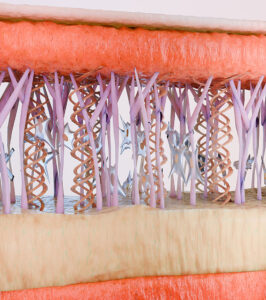
Young skin is naturally rich in three essential components:
- Collagen — provides firmness and structural support
- Elastin — gives skin its ability to stretch and bounce back
- Hyaluronic Acid — helps the skin retain moisture and maintain volume
Together, these elements keep skin smooth, plump, resilient, and hydrated.
However, beginning as early as our mid-20s, these natural support systems gradually begin to decline.
Why Skin “Collapses” With Age
As we age, the structure of the skin doesn’t just change on the surface — it shifts deep within its layers.
Collagen production steadily slows over time. By our 30s, adults lose approximately 1% of collagen each year. As collagen declines, skin becomes thinner, less dense, and less structurally supported.
At the same time: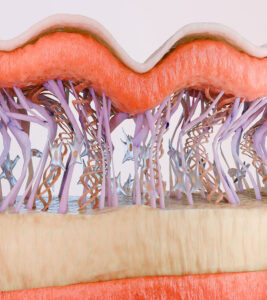
- Elastin fibers weaken, reducing skin’s ability to snap back into place
- Hyaluronic acid levels decrease, leading to dryness and visible volume loss
- Skin cell turnover slows, causing dullness and reduced resilience
- The skin barrier becomes weaker and more prone to irritation and dehydration
By the 40s and 50s, these combined changes often lead to what many describe as “collapsing” skin layers — where firmness, lift, elasticity, and smoothness visibly diminish.
Common visible signs include:
- Fine lines and wrinkles
- Sagging or crepey skin
- Thinner, drier-looking skin
- Loss of elasticity and firmness
- Increased sensitivity and inflammation
While these changes are natural, understanding the science behind them allows us to better support the skin as it evolves.
The Science Behind Skin Aging
Skin aging occurs through two primary processes: intrinsic aging and extrinsic aging.
Intrinsic Aging: The Natural Aging Process
Intrinsic aging, also called chronological aging, is the natural aging process driven by genetics and the gradual slowing of cellular function.
Over time:
- Skin produces less collagen and elastin
- Cell renewal slows
- Natural oil production decreases
- The skin barrier becomes thinner and more fragile
This contributes to fine wrinkles, dryness, and gradual loss of firmness.

Extrinsic Aging: Environmental Damage
Extrinsic aging is caused by outside factors such as:
- UV exposure
- Pollution
- Smoking
- Poor nutrition
- Chronic stress
- Alcohol consumption
- Sleep deprivation
These external stressors generate unstable molecules called free radicals or reactive oxygen species (ROS), which damage skin cells, collagen fibers, and DNA.
Among all external aging factors, sun exposure remains the leading cause of premature skin aging.
Key Biological Processes That Accelerate Skin Aging
Collagen and Elastin Breakdown
Aging skin not only produces less collagen — it also breaks collagen down more rapidly through enzymes called matrix metalloproteinases (MMPs).
This weakens the skin’s structural framework and contributes to:
- Wrinkles
- Sagging
- Reduced firmness
- Loss of facial volume
Oxidative Stress and Inflammation
Free radicals accumulate over time due to UV exposure, pollution, stress, and lifestyle factors. This creates oxidative stress, which damages proteins, lipids, and skin cells.
As the skin barrier weakens with age, chronic low-grade inflammation — sometimes called “inflamm-aging” — can further accelerate visible aging.
Glycation and Sugar Damage
Excess sugar intake contributes to a process called glycation, where sugar molecules attach to collagen and elastin fibers.
This creates harmful compounds called advanced glycation end products (AGEs), which make collagen stiff, fragile, and more prone to breakdown.

The result can include:
- Wrinkles
- Skin laxity
- Loss of elasticity
- Dullness
Hormonal Changes
Hormonal changes, particularly after menopause, can significantly accelerate skin aging.
Lower estrogen levels reduce collagen production and skin hydration, often leading to:
- Increased dryness
- Thinner skin
- Deeper wrinkles
- Reduced elasticity
- Greater skin fragility
How to Support Aging Skin
While no skincare product can stop aging or completely replace lost collagen, the right skincare routine can help support skin health, hydration, and resilience over time.
1. Daily Sun Protection
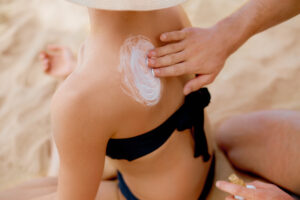
Daily sunscreen use is one of the most effective ways to help prevent premature collagen breakdown.
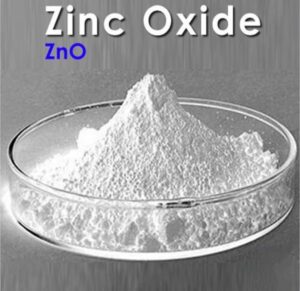
The Vivoderm Zinc Cream SPF 30 helps provide gentle mineral sun protection while supporting sensitive, aging skin against environmental stressors and UV exposure.
2. Hydration and Barrier Support
As skin matures, maintaining hydration becomes increasingly important.
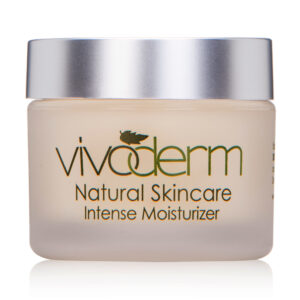
The Vivoderm Intense Moisturizer helps deeply hydrate and support the skin barrier, improving the appearance of softness, smoothness, and fullness — especially in areas prone to early aging such as the neck and décolleté.
3. Nourishing the Delicate Eye Area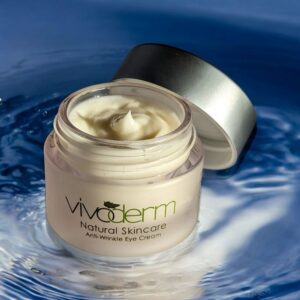
The skin around the eyes is thinner and often one of the first places to show visible signs of collagen loss.
The Vivoderm Anti-Wrinkle Eye Cream helps nourish and hydrate the delicate eye area while helping reduce the appearance of fine lines and dryness.
4. Antioxidant Protection
Antioxidants help neutralize free radicals and reduce oxidative stress that contributes to premature aging.
Ingredients such as:
- Vitamin C
- Vitamin E
- Niacinamide
- Vitamin A derivatives (retinoids) can help brighten skin, improve texture, and support overall skin health.
5. Lifestyle Habits That Protect Skin Longevity
Healthy lifestyle choices play a major role in how skin ages over time.
Helpful habits include:
- Eating a nutrient-rich diet with antioxidants and omega-3 fatty acids
- Limiting excess sugar intake
- Getting consistent, quality sleep
- Avoiding smoking
- Limiting alcohol consumption
- Managing stress levels
These habits help support collagen production, reduce inflammation, and strengthen the skin’s natural repair processes.
Aging Skin Is Still Healthy Skin
Skin aging is natural, inevitable, and deeply human. The goal of skincare should not be to “fight” aging, but to support the skin through every stage of life with hydration, protection, nourishment, and consistency.
Healthy-looking skin isn’t about perfection — it’s about resilience, comfort, and care.
With science-backed skincare, daily sun protection, and supportive lifestyle habits, you can help your skin remain strong, radiant, and healthy-looking for years to come.
References
Shin SH, Lee YH, Rho NK, Park KY. Skin aging from mechanisms to interventions: focusing on dermal aging. Front Physiol. 2023.
Agrawal R, Hu A, Bollag WB. The Skin and Inflamm-Aging. Biology (Basel). 2023.
Zheng W, Li H, Go Y, Chan XHF, Huang Q, Wu J. Research Advances on the Damage Mechanism of Skin Glycation and Related Inhibitors. Nutrients. 2022.
Lephart ED, Naftolin F. Factors Influencing Skin Aging and the Important Role of Estrogens and Selective Estrogen Receptor Modulators (SERMs). Clin Cosmet Investig Dermatol. 2022.
Cao C, Xiao Z, Wu Y, Ge C. Diet and Skin Aging—From the Perspective of Food Nutrition. Nutrients. 2020.
Xerfan EMS, Andersen ML, Facina AS, Tufik S, Tomimori J. Sleep loss and the skin. Dermatol Ther. 2022.
Yazdanparast T, Hassanzadeh H, Nasrollahi SA, et al. Cigarettes Smoking and Skin. Tanaffos. 2019.
Goodman GD, Kaufman J, Day D, et al. Impact of Smoking and Alcohol Use on Facial Aging in Women. J Clin Aesthet Dermatol. 2019.











 Face is undoubtedly the most prominent of all body parts. More than any body part face commands daily and effective skincare. Facial skincare is a three steps easy way. Deep facial cleansing, facial nourishing and facial moisturizing are three steps to a great facial skin.
 Every one wants to have blemish-free skin that can catch any one’s eye. You will be overwhelmed to know that it is possible to own such skin type with natural skin care treatments. Yes, it is true that with these treatments anyone can look beautiful and blemished free. Generally, these problems arise due to lack of essential vitamins and minerals in the body. Vital body nutrients like biotin, pantothenic, niacin, riboflavin, etc, are required to have a healthy glowing skin.
 With the chilly winds already bidding adieu it’s time to take out those sporty shorts and T-shirts for a stroll on the beach or a run in the park You’ve done the push-ups and the crunches in anticipation for the skin-revealing days ahead. You want to look your best, and taking good care of your skin is a part of that. So you spent most of the winter indoors, watching too much TV or gaming? Say goodbye to those baggy eye circles and dull skin by treating yourself to a detoxifying skin mask or a facial scrub and gear up for summer!
 1 – melanocyte